
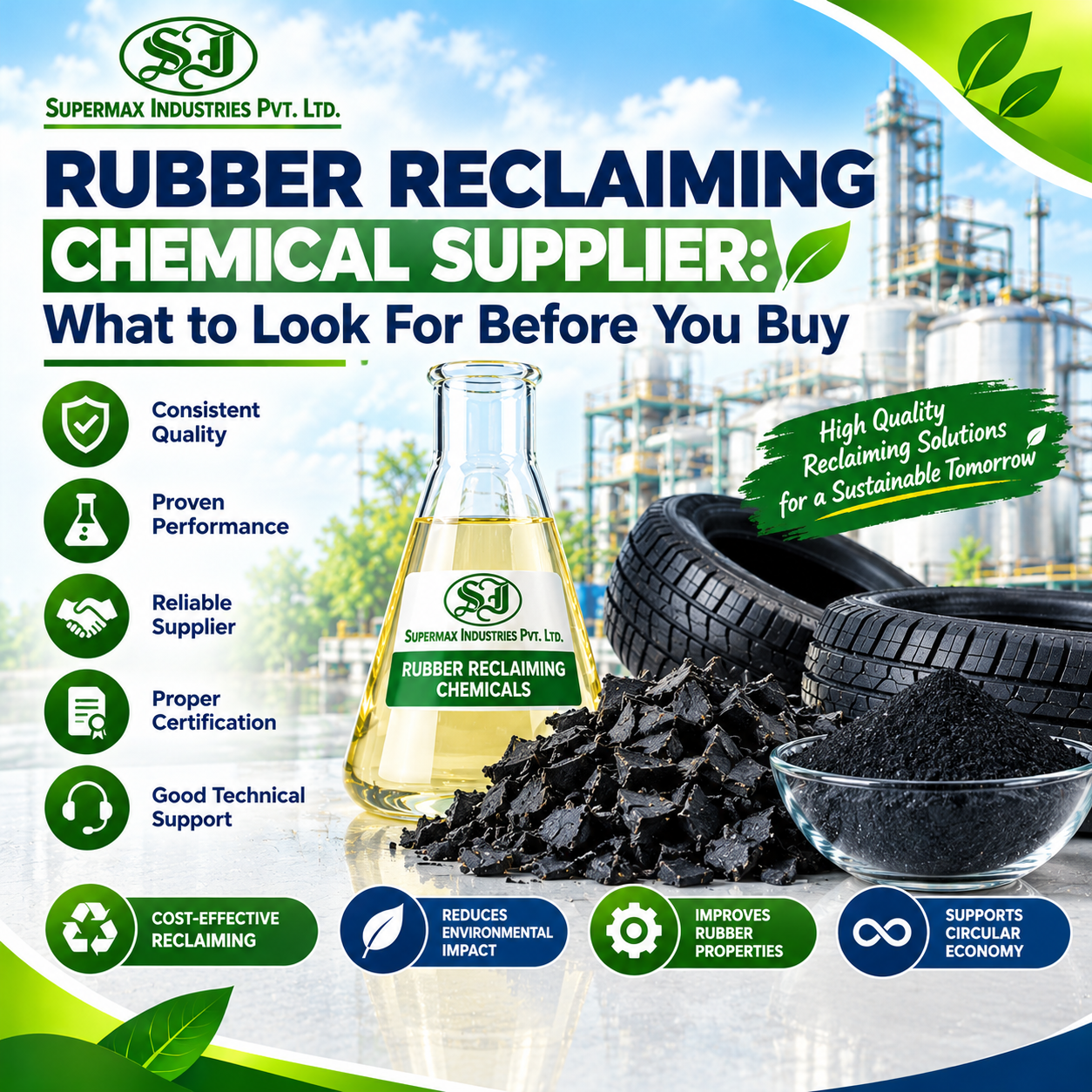
Every year, Rubber Reclaiming Chemical Supplier isn't like ordering Every year, millions of old tyres, tubes and rubber scraps pile up. Some end up in landfills. Some get burned. A smart share goes to reclaim plants, where the rubber is softened and turned back into a material that factories can use again. None of that works without the right chemicals, and that is why choosing a good Rubber Reclaiming Chemical Supplier matters more than most buyers expect.
What does a Rubber Reclaiming Chemical Supplier actually do?
A Rubber Reclaiming Chemical Supplier makes or sells the chemicals that break down vulcanised rubber so it can be reused. The most common product is a reclaiming agent, sometimes sold as a rubber devulcanizer. Some suppliers also sell reclaiming oils and related rubber chemical products.
Good suppliers do more than fill bags. They answer questions about dosage, help you fix problems during trials, and keep the quality steady from one lot to the next. If you have ever had a batch of reclaim come out sticky one week and hard the next, you already know how much supplier consistency matters.
Why This Matters More Now Than It Did Five Years Ago
Tyre and rubber waste volumes have grown steadily, and so has pressure on manufacturers to source recycled rubber that performs close to virgin material. A cheap reclaiming chemical might reduce your raw material cost on paper, but if the output rubber fails tensile or elongation tests, you're paying for rework, downgraded product, or lost contracts. The maths only works if the reclaimed rubber is actually usable.
This is where the gap between a genuine Rubber Reclaiming Chemical Manufacturer, a trusted and a reseller repackaging someone else's stock starts to show. Manufacturers who run their own R&D can tune a formulation for specific feedstocks — tyre rubber, butyl, EPDM, natural rubber scrap — and adjust it when your process changes. A trader generally can't.
A Quick Word on Pricing
Reclaiming chemical prices swing with crude oil derivatives and sulphur markets, so a quote that looks unusually low compared to everyone else's is worth questioning rather than celebrating. Sometimes it's a genuine efficiency advantage. Often it's a diluted formulation or a supplier cutting corners on purity to win the order.
Final Thoughts
The right reclaiming chemical decision comes down to three things: a formulation that genuinely protects tensile strength, a manufacturer who can back that up with consistent batches and real technical support, and export handling that doesn't fall apart at the border. Skip any of the three and you're gambling with production downtime. Get all three right, and reclaimed rubber stops being a compromise material and starts being a genuinely usable input.